2026 Q1 Update
One of the things I’d like to start doing here is quarterly updates on tools and services I’m currently using.
Had I done this in the last quarter of 2025, I would have talked about how I was using Lovable to build and host a couple of web apps. I was having ChatGPT make docker-config yaml files for me. I was using Perplexity for shopping. I don’t use any of those things anymore and that’s exactly my point. Things change crazy fast in technology nowadays. With that in mind, I think it will be useful in the future if I have somewhere I can come back and review what I was doing at certain times.
So, what have I been up to Q1 2026? Mostly Gemini 3.x and Claude 4.x - but it’s the how and where that tells the story.
In early January, I started with Firebase Studio. I was impressed with the capabilities and began building a web app that I could use to ingest the very popular (but possibly dangerous) Proxmox VE Helper-Scripts and use Gemini to analyze them for security issues. It was working really well, and I was enjoying building it, but Google decided it was probably hacking and disabled it. It was not, of course, and all the code was syncing to a public repo. I opened a case with Google support and eventually got it back about 3 weeks later, but the LLM model connection was broken (as was the momentum) and I just never got it back to working. It’s no longer live.
Moving to the desktop
The experience of Google pulling a project mid-stream annoyed me. I decided to try to see if I could develop a desktop app. I figured that making a front-end for a popular open-source utility was probably an easy way to start. I often use ffmpeg to convert or edit media files, but each time I do, I have to look up the terminal commands I’ll need. So, I made a media converter that I called Daverter.
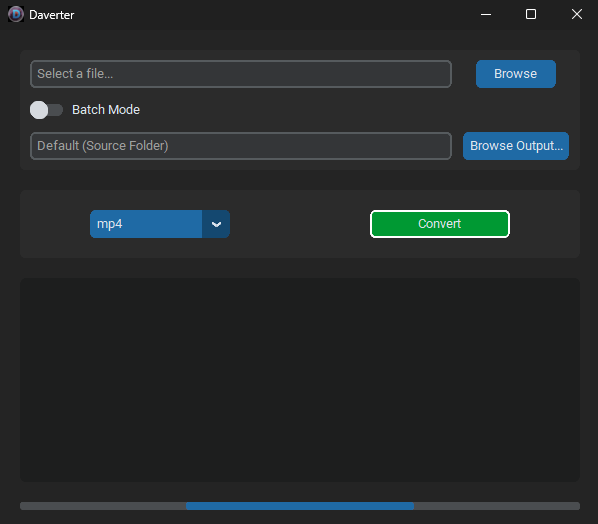
It’s unnecessary (and has a dumb name), but I learned some foundational items like:
- How building a Windows .exe works and environment-aware code
- GitHub CI/CD pipelines
- Multi-threading
- Batch Processing
I was very pleased with the little app. I still use it. Moreover, my eyes were now open that I could build my own software tailored exactly for me. I wanted to make more
Leveling up
To expand on those concepts I'd learned, I made three more apps. All built with Python and Customtkinter:
Again, these are unnecessary apps, but they fit tasks that I do regularly. By now, I was using Google’s AI IDE Antigravity and Claude Code and paying for (short-term discounted) Pro accounts with both providers. A big part of what I'm discovering at this time is which models and tools to use and when. Sonnet for deep reasoning, Gemini Pro for front-end, Haiku or Flash for the easy stuff. More important than making the apps was learning the ecosystem.
Back to the web
Now that I felt like I had a handle on the desktop tools, I was ready to make a web app locally and find my own hosting. It far more interesting (and complicated) than building and hosting on a platform like Lovable and gives me greater control. To start, I setup free accounts with Convex and Vercel and began building my RSS reader/OSINT aggregator - ReceSS.
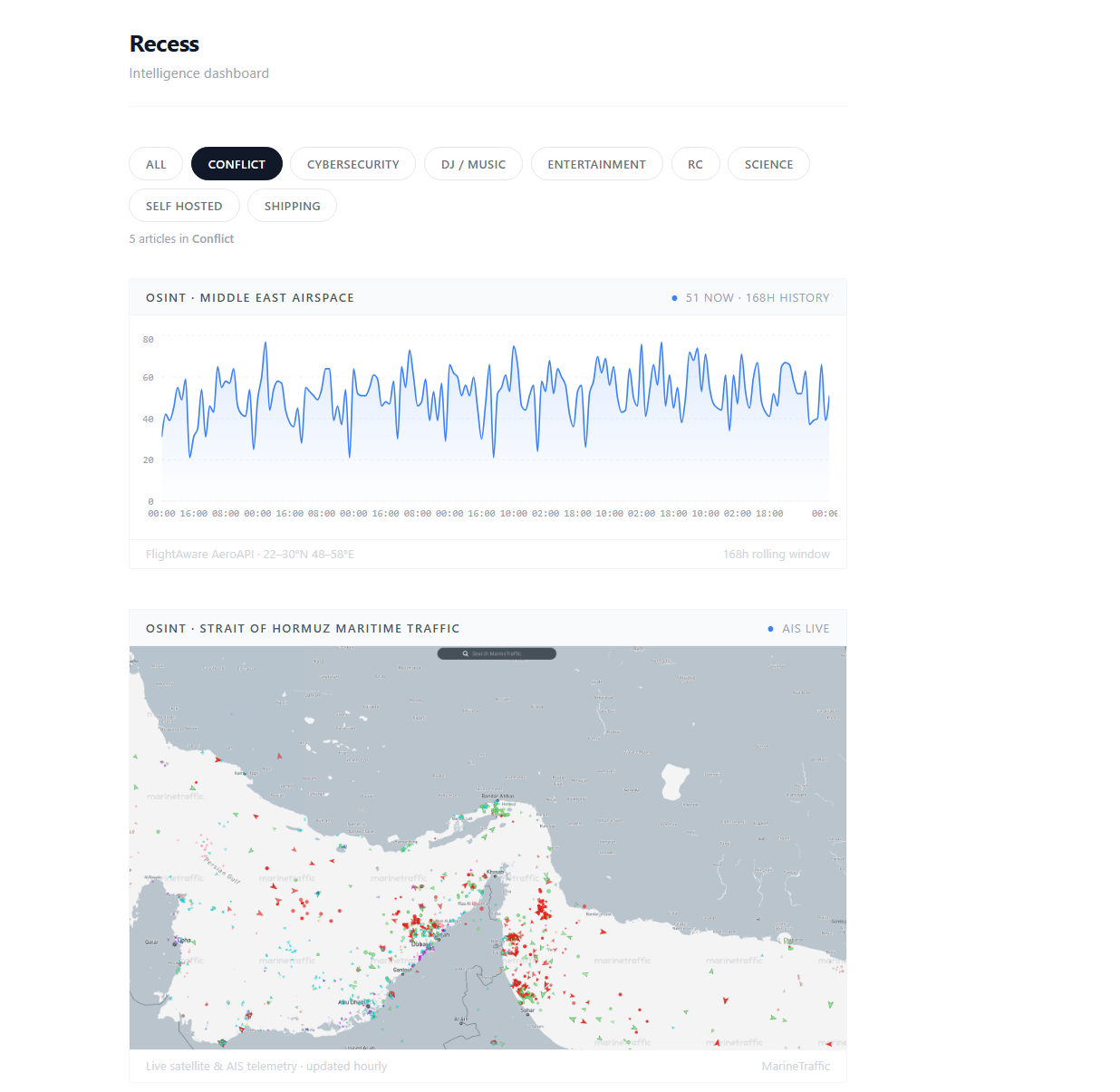
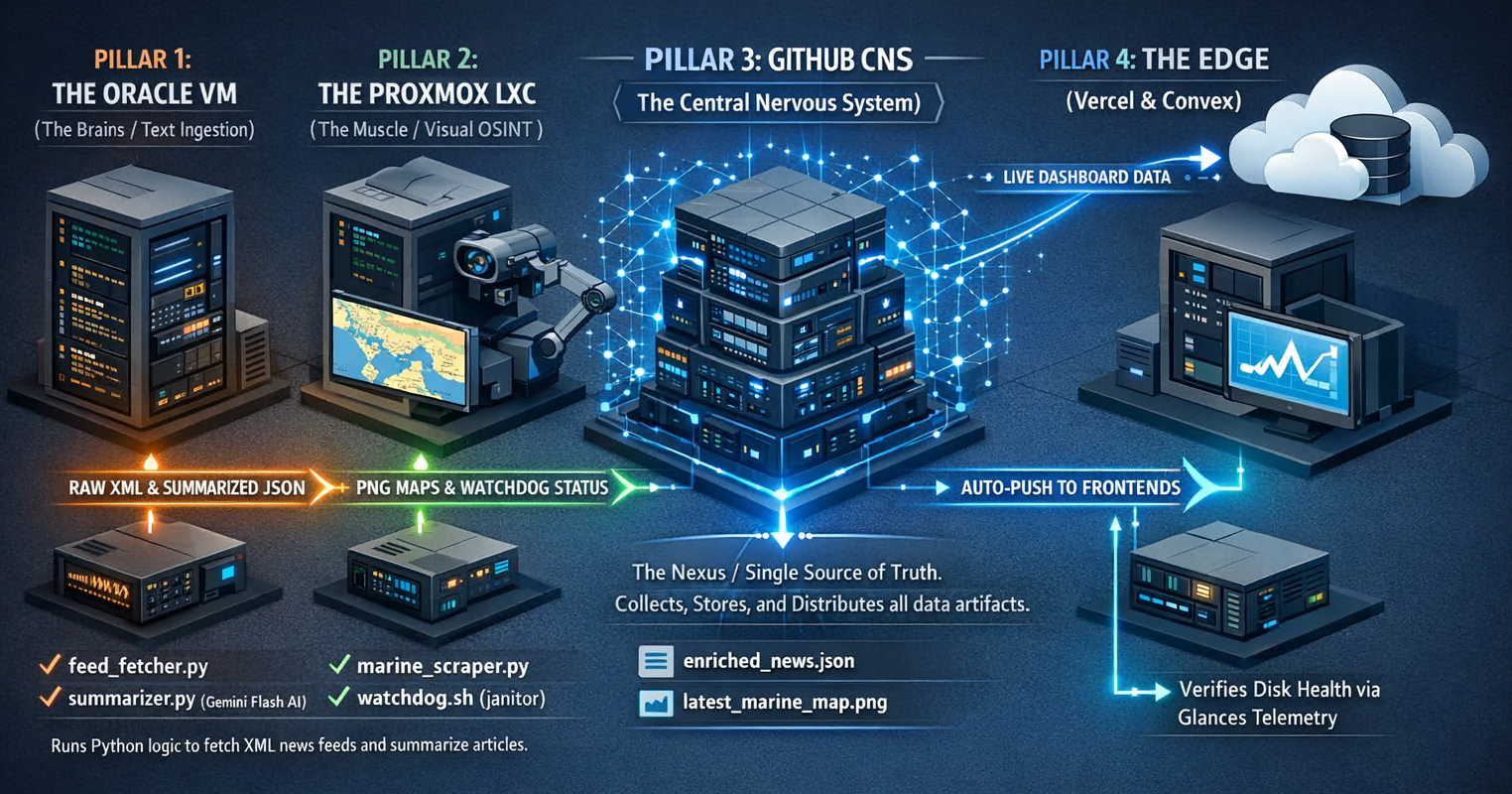
There are currently multiple wars ongoing, and the news is coming in fast. My initial goal was to make all the info easy to consume without having to trek all over the web. Making the RSS section seemed like the easy part (it wasn’t) but I knew that the OSINT scraping would require a bit of infrastructure. As a sysadmin, this was the part that AI would not be helping with. AI is amazing at coding, but it sucks at general IT.
While it was nice to have all the info in one spot, I found it fairly unappealing to look at. I decided to let Claude have a shot at designing a modern-looking RSS reader. My plan was to take some of the design and merge it with ReceSS, but it was so good, I decided to pivot and use the Claude project handle the RSS and let ReceSS be the OSINT aggregator. I call this new bit Signal and it’s what I’m working on as I write this post.
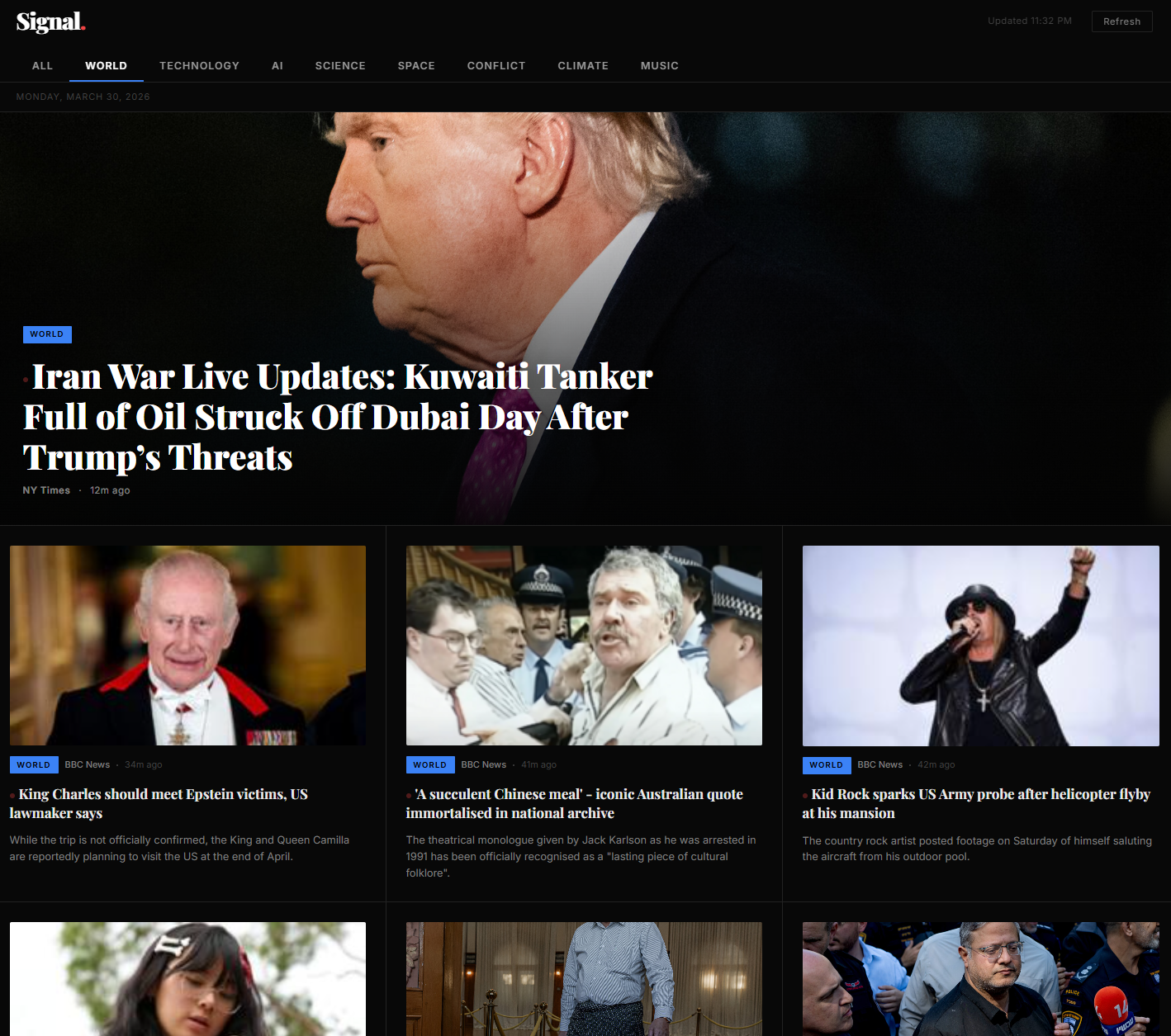
In the coming weeks I'll redesign the old project to feed its info over to Signal. I'm also concerned that Signal might be too much to stay within the Netlify free tier it currently lives on. That's a whole other side of this, trying to experiment with all this stuff without spending too much money. Maybe I'll have some better insight into that on my Q2 update.